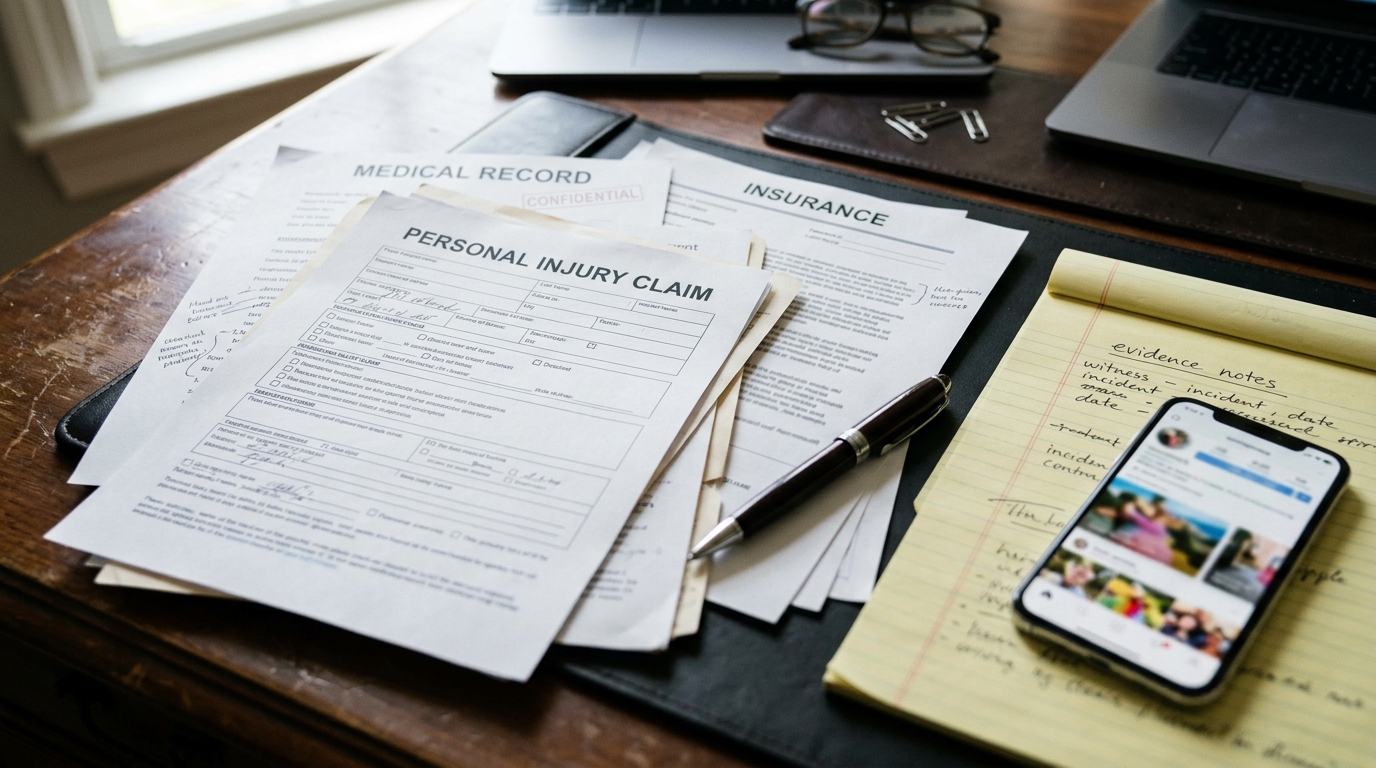
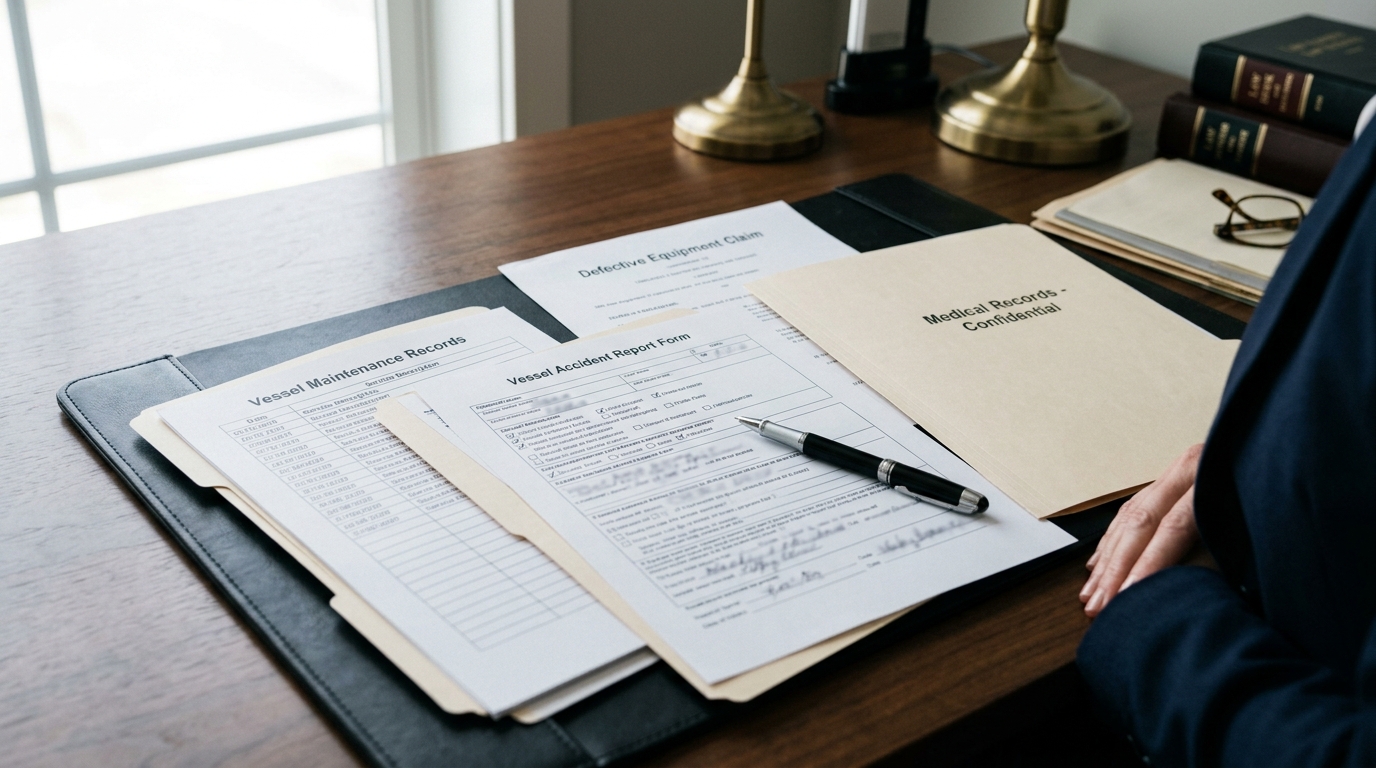
Defective boat equipment and mechanical failure claims in New York may involve steering problems, engine failure, throttle malfunction, fuel system issues, electrical failure, defective life jackets, broken ladders, faulty rails, poor repairs, rental boat defects, or missing safety equipment. These claims often require fast evidence preservation because a vessel may be repaired before the cause is fully investigated. People reviewing claim options after a watercraft injury may use a boating accident lawyer Long Island resource to understand how liability, evidence, insurance, and damages are generally evaluated.
Quick Answer
A defective boat equipment claim usually depends on what failed, why it failed, who owned or controlled the vessel, whether the boat was properly maintained, whether a rental company or marina inspected it, whether a product defect contributed, and whether the failure caused injury. Important evidence may include photos, vessel inspection records, maintenance logs, repair invoices, rental documents, accident reports, witness statements, operator accounts, failed parts, safety equipment records, medical records, and insurance documents.
Key Takeaways
- Mechanical failure can involve the vessel owner, operator, rental company, marina, repair provider, manufacturer, distributor, seller, or maintenance contractor.
- The U.S. Coast Guard identified machinery failure among the top five primary contributing factors in reported recreational boating accidents in 2024.
- New York Navigation Law § 45 requires vessel operators to navigate carefully and prudently and not operate at a speed greater than reasonable and prudent under existing conditions and hazards.
- New York Navigation Law § 48 addresses vessel owner liability when negligent operation occurs with express or implied permission.
- New York boating accident reporting rules may require written reporting within five days after qualifying accidents involving injury, death, disappearance under water, or property damage over $1,000.
- The failed vessel, damaged parts, repair records, inspection logs, and photos should be preserved quickly.
- Public docks, municipal marinas, state facilities, or government-controlled waterfront areas may involve shorter notice rules.
Why Mechanical Failure Boating Claims Are Different
Mechanical failure claims are different because the cause may not be obvious from the accident scene. A boat may look normal after a steering issue, throttle problem, electrical failure, or engine malfunction. A defective ladder, railing, seat, or life jacket may be repaired, removed, replaced, or discarded before the injured person understands its importance.
These claims may require review of:
- Vessel ownership
- Operator conduct
- Maintenance history
- Repair invoices
- Inspection records
- Rental company procedures
- Marina service records
- Manufacturer warnings
- Product condition
- Prior complaints
- Expert inspection findings
- Insurance coverage
A claim may involve both negligence and product defect questions. For example, a steering system may fail because of poor maintenance, defective design, improper repair, or operator misuse. The evidence must help separate those possibilities.
Common Boat Equipment Failures
Boat equipment failures can affect vessel control, passenger safety, visibility, emergency response, and injury severity.
Common failures may include:
- Steering failure
- Throttle malfunction
- Engine failure
- Fuel system failure
- Electrical failure
- Navigation light failure
- Bilge pump failure
- Battery failure
- Defective ladder
- Broken railing
- Loose seating
- Faulty swim platform
- Defective engine cut-off switch
- Missing or defective lanyard
- Defective life jacket
- Defective fire extinguisher
- Poorly maintained personal watercraft controls
- Failed trailer or launch equipment
The key question is whether the failure was sudden and unavoidable, or whether it could have been prevented through proper design, manufacture, maintenance, inspection, warning, or repair.
Engine Failure and Loss of Power
Engine failure can create serious danger when a boat loses power in traffic, rough water, bad weather, current, or near docks. A stalled vessel may drift into another boat, rocks, bridge supports, a marina, swimmers, or shoreline hazards.
Engine failure evidence may include:
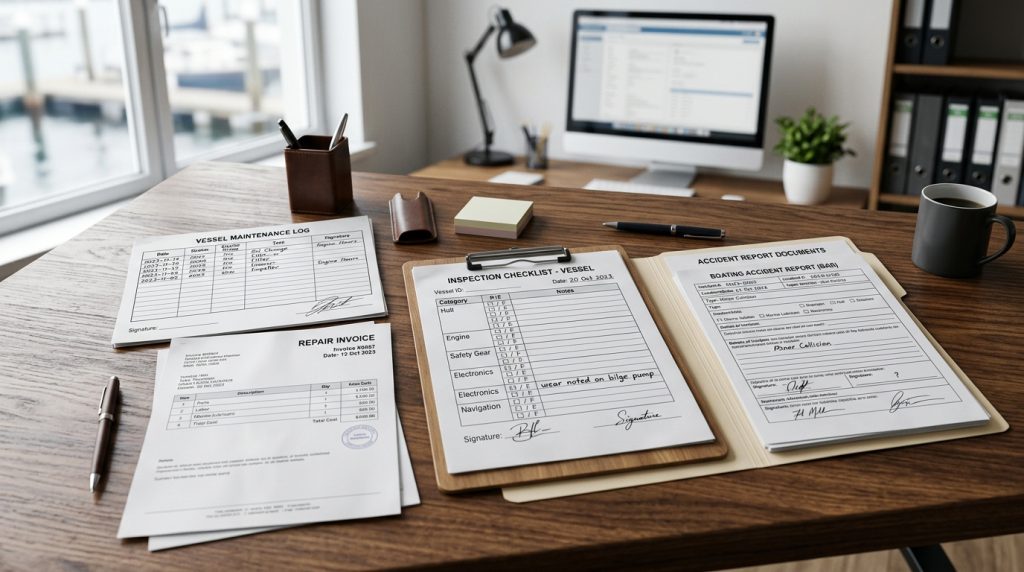
- Maintenance logs
- Fuel records
- Prior repair invoices
- Operator statements
- Mechanic notes
- Warning light information
- Photos of the engine
- Tow or salvage records
- Marina service records
- Expert inspection findings
The U.S. Coast Guard’s 2024 recreational boating statistics include machinery and equipment contributing factors such as engine failure, electrical system failure, and fuel system failure.
Steering and Throttle Problems
Steering and throttle failures can cause sudden loss of control. A boat may turn unexpectedly, fail to turn, accelerate, fail to slow down, strike another vessel, hit a dock, or throw passengers.
Steering and throttle claims may involve:
- Cable failure
- Hydraulic system issues
- Loose steering components
- Improper repair
- Corrosion
- Throttle sticking
- Gear shift malfunction
- Poor installation
- Manufacturer defect
- Failure to inspect before rental or charter use
A related boat accident attorney guide may help readers understand why vessel control, operator conduct, and equipment evidence often need to be reviewed together.
Fuel System and Electrical Problems
Fuel and electrical failures can create fire, explosion, loss of power, smoke, visibility problems, or emergency evacuation issues. These claims may involve serious burns, inhalation injuries, falls, panic, drowning risk, or delayed rescue.
Fuel and electrical issues may include:
- Fuel leaks
- Improper repairs
- Defective fuel lines
- Ventilation problems
- Battery malfunction
- Wiring defects
- Navigation light failure
- Bilge pump failure
- Ignition problems
- Electrical shock near docks or marina power systems
Evidence may include photos, damaged components, repair invoices, fire department records, marina reports, inspection logs, fuel dock records, and expert analysis.
Defective Life Jackets and Safety Equipment
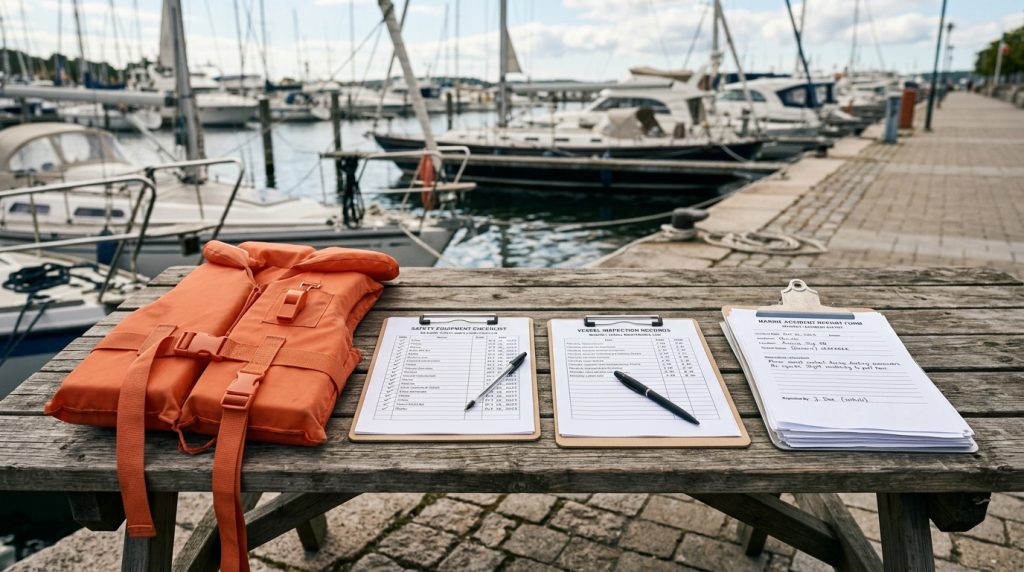
Safety equipment may not cause the first accident, but it can affect survival and injury severity. New York State Parks states that every motorized or non-motorized vessel, including personal watercraft, kayaks, canoes, and paddleboards, must have one life jacket for each person aboard. Life jackets must be U.S. Coast Guard-approved, readily accessible, in good condition, and properly sized for the intended wearer.
Safety equipment issues may include:
- Not enough life jackets
- Incorrect sizes
- Damaged flotation devices
- Life jackets stored out of reach
- Missing throwable flotation device
- Missing sound-producing device
- Defective ladder or reboarding device
- Faulty engine cut-off switch
- Missing emergency signaling equipment
- Defective fire extinguisher
A missing or defective safety device may become especially important in drowning, near-drowning, ejection, capsizing, fire, or delayed rescue claims.
Engine Cut-Off Switch Problems
An engine cut-off switch can be important when an operator is thrown from the helm or displaced from the control area. The U.S. Coast Guard explains that an engine cut-off switch is designed to shut off propulsion machinery when the operator is displaced from the helm.
Engine cut-off switch evidence may involve:
- Whether the vessel had the device
- Whether it was working
- Whether the lanyard or wireless link was used
- Whether the operator was instructed to use it
- Whether the rental company explained it
- Whether the device was repaired or disabled
- Whether failure to use it contributed to injury
This issue can matter in runaway vessel claims, propeller injuries, personal watercraft incidents, and operator ejection cases.
Broken Ladders, Rails, Seats, and Swim Platforms
A boating injury may happen because a person trusted equipment that failed. A ladder may break during re-boarding. A railing may come loose. A seat may detach during wake impact. A swim platform may be unstable. A cleat, rope, or dock fixture may fail during boarding.
Equipment failure questions may include:
- Was the part original, repaired, or modified?
- Was it inspected before use?
- Were there prior complaints?
- Was the failure caused by corrosion or wear?
- Was the vessel rented or commercially used?
- Was the part overloaded?
- Were warnings or weight limits provided?
- Was the equipment repaired after the accident?
Photos and preservation of the failed part can be extremely important.
Rental Boat Equipment Failures
Rental boats, personal watercraft, kayaks, canoes, and paddleboards may be used repeatedly by different renters. This can increase the importance of inspection, maintenance, safety instructions, and recordkeeping.
Rental equipment claims may involve:
- Defective steering
- Weak battery
- Engine problems
- Defective personal watercraft controls
- Missing lanyard
- Damaged life jackets
- Leaking kayak or canoe
- Broken paddle
- Unstable boarding ladder
- Loose seat
- Poor maintenance between rentals
- Missing pre-rental inspection records
A rental company is not automatically responsible for every equipment failure, but its inspection and maintenance practices may matter when unsafe equipment is rented to the public.
Marina and Repair Provider Liability
Some claims involve a marina, repair shop, mechanic, service technician, storage facility, or maintenance contractor. A repair provider may be reviewed when poor service, improper installation, ignored warnings, incomplete repairs, or negligent inspection contributed to the accident.
Repair-related evidence may include:
- Work orders
- Repair invoices
- Service notes
- Inspection checklists
- Parts records
- Technician communications
- Prior complaints
- Photos before and after repair
- Marina maintenance logs
- Warranty records
- Expert inspection findings
A premises liability attorney resource may also be relevant when the equipment failure is connected to dock structures, marina walkways, ladders, ramps, fuel docks, or other waterfront property conditions.
Product Liability Issues
Some defective boat equipment claims may involve product liability. A manufacturer, distributor, seller, installer, or parts supplier may be reviewed if the injury involved defective design, manufacturing defects, inadequate warnings, or unsafe instructions.
Product liability issues may involve:
- Defective steering components
- Defective throttle controls
- Defective engine parts
- Defective fuel system components
- Defective electrical systems
- Defective life jackets
- Defective ladders or rails
- Defective personal watercraft controls
- Defective engine cut-off devices
- Inadequate warnings
- Poor installation instructions
The New York Courts statute of limitations timetable lists product liability matters with a three-year period from the date of accident, though deadlines can vary depending on the facts and parties.
Vessel Owner Responsibility
The vessel owner may be reviewed when poor maintenance, unsafe equipment, missing safety gear, or negligent permission contributed to the accident. New York Navigation Law § 48 addresses owner liability when negligent vessel operation occurs with the owner’s express or implied permission.
Owner-related questions may include:
- Who owned the vessel?
- Who controlled maintenance?
- Who inspected the boat?
- Was the operator using the boat with permission?
- Were safety devices available?
- Were prior problems ignored?
- Was the boat rented, borrowed, or commercially used?
- Was the vessel insured?
- Were records preserved after the incident?
Ownership can affect both liability and insurance coverage.
Operator Conduct After Equipment Failure
Even when equipment fails, operator conduct may still matter. A mechanical problem does not always excuse unsafe decisions. The claim may review whether the operator responded reasonably after the failure began.
Operator questions may include:
- Did the operator notice warning signs?
- Did the operator continue despite mechanical concerns?
- Was speed reduced when a problem appeared?
- Were passengers warned?
- Was emergency equipment used?
- Did the operator call for help promptly?
- Did the operator avoid docks, swimmers, and other vessels?
- Did the operator preserve the vessel after the incident?
- Was the operator impaired or distracted?
New York Navigation Law § 45 requires careful and prudent vessel operation based on existing conditions and hazards.
Charter, Tour, and Commercial Vessel Equipment Claims
Commercial boating claims may involve additional records because charter boats, tour boats, fishing boats, public vessels, and passenger-for-hire operations may have inspection, crew, and maintenance documentation.
Commercial vessel equipment evidence may include:
- Passenger records
- Vessel inspection records
- Crew assignments
- Maintenance logs
- Repair invoices
- Safety briefing records
- Incident reports
- Emergency equipment records
- Insurance policies
- Prior complaint records
Equipment failure on a commercial vessel can raise questions about inspection practices, passenger safety, emergency response, and whether the operator continued service despite known defects.
Accident Reporting After Mechanical Failure
A mechanical failure boating accident may need to be reported if it meets New York reporting requirements. New York Navigation Law § 47-B requires written reporting within five days after certain accidents involving death, injury, disappearance under water, or property damage to any one person above $1,000.
A boating accident report may help document:
- Date and time
- Waterway or marina location
- Vessel operator
- Vessel owner
- Vessel registration
- Injury details
- Property damage
- Mechanical issue
- Weather and water conditions
- Witnesses
- Law enforcement involvement
- Emergency response details
The report is not the complete claim, but it can create an important official record before the vessel is repaired.
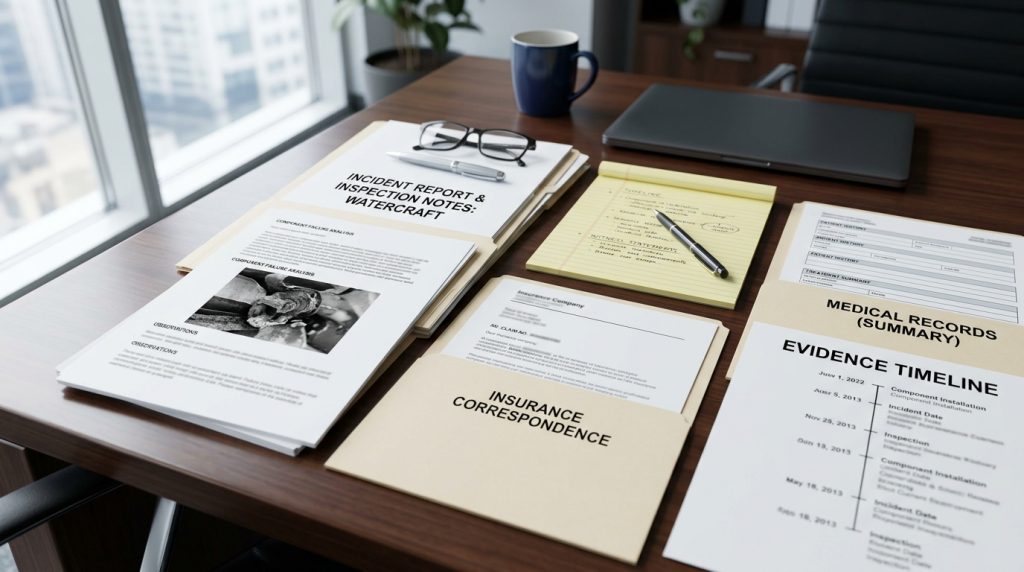
Evidence That Can Strengthen a Defective Equipment Claim
Evidence preservation is especially important in defective equipment claims. The failed part may be repaired, replaced, discarded, or altered before an expert can inspect it.
Helpful evidence may include:
- Boating accident report
- Photos of the vessel
- Photos of the failed part
- Photos of safety equipment
- Photos of dock or marina conditions
- Vessel registration records
- Owner information
- Operator information
- Passenger statements
- Witness names and contact details
- Maintenance logs
- Repair invoices
- Inspection records
- Rental agreements
- Charter records
- Marina records
- Product labels and serial numbers
- Failed components
- Expert inspection findings
- GPS or route data
- Weather records
- Medical records
- Insurance documents
For broader documentation planning, readers may review how evidence for personal injury claims can help connect accident facts, injury, responsible parties, and damages.
Medical Records and Injury Documentation
Medical records help prove that the boating equipment failure caused injury and show the seriousness of the harm. These injuries can happen because of collision, ejection, drowning risk, fire, electrical shock, falls, or emergency response delays.
Common injuries may include:
- Concussions
- Traumatic brain injuries
- Neck injuries
- Back injuries
- Fractures
- Shoulder injuries
- Knee injuries
- Burns
- Electrical injuries
- Lacerations
- Propeller injuries
- Drowning-related injuries
- Hypothermia
- Internal injuries
- Soft tissue injuries
- Psychological trauma
- Wrongful death in severe cases
Medical documentation may include emergency records, hospital notes, imaging, specialist records, surgery reports, therapy notes, prescriptions, work restrictions, bills, and future care recommendations.
Insurance Coverage in Mechanical Failure Claims
Insurance coverage may depend on who owned the vessel, who operated it, whether the boat was rented or commercial, whether maintenance was outsourced, whether a product defect contributed, and whether policy exclusions apply.
Potential insurance sources may include:
- Boat insurance
- Vessel owner policy
- Homeowner’s insurance
- Umbrella coverage
- Rental company insurance
- Marina liability insurance
- Maintenance contractor coverage
- Charter or commercial vessel coverage
- Product liability coverage
- Public entity coverage in limited cases
Insurance companies may dispute whether the failure was sudden, whether maintenance was reasonable, whether the operator had permission, whether the policy covers the vessel, or whether the injury was caused by the alleged defect.
Comparative Fault and Defense Arguments
Defendants and insurers may argue that the injured person, operator, owner, renter, or another party contributed to the equipment failure or injury.
Common defense arguments may include:
- The operator ignored warning signs.
- The vessel owner failed to maintain the boat.
- The injured person misused equipment.
- A renter exceeded capacity or operating limits.
- The equipment was altered after sale.
- The failure was caused by normal wear.
- Weather or wake caused the accident.
- The defect did not cause the injury.
- The injured person failed to wear a life jacket.
These arguments do not automatically defeat a claim. The full evidence should be reviewed before accepting any fault conclusion.
Public Entity Issues
Some defective equipment claims involve public docks, municipal marinas, public launches, public vessels, state parks, public waterfront facilities, or government-controlled areas. Public entity involvement can create shorter notice requirements.
New York General Municipal Law § 50-E generally requires notice of claim within 90 days when notice is required for certain tort claims against public corporations.
Public entity evidence may include:
- Exact accident location
- Public agency name
- Facility signage
- Incident reports
- Inspection records
- Maintenance logs
- Prior complaints
- Photos of the defective condition
- Witness statements
- Surveillance footage
- Repair records
The exact location and responsible agency should be identified early.
Deadlines for Defective Boat Equipment Claims
Deadlines depend on the claim type and responsible parties. The New York Courts statute of limitations timetable lists three years for many negligence-based personal injury claims, two years for wrongful death claims, and three years for product liability matters.
Practical deadlines may arrive sooner. Accident reporting, insurance notice, vessel repair, failed part preservation, rental records, surveillance footage, maintenance records, product inspection, and public entity notice rules can all create urgency before the lawsuit deadline.
Common Mistakes After a Defective Boat Equipment Accident
Some mistakes can make a defective equipment claim harder to prove.
Common mistakes include:
- Not getting medical care promptly
- Not reporting a qualifying boating accident
- Allowing the vessel to be repaired before inspection
- Throwing away failed parts or safety equipment
- Not photographing the defect
- Not identifying the operator and vessel owner
- Not collecting passenger and witness information
- Not saving repair invoices or maintenance records
- Not preserving rental or charter records
- Not documenting weather and water conditions
- Not requesting marina surveillance quickly
- Giving broad insurance statements before facts are clear
- Accepting a quick settlement before the cause is investigated
- Missing public entity notice deadlines
A strong claim usually depends on preserving the vessel, failed part, inspection records, medical documentation, and insurance information.
When Legal Guidance May Be Useful
Legal guidance may be useful when a boating accident involves mechanical failure, defective equipment, rental boat defects, faulty safety devices, serious injuries, public docks, marina repairs, product defects, or unclear insurance coverage.
A defective boat equipment claim may require review of vessel operation, ownership, maintenance records, repair history, rental documents, product information, accident reports, medical records, insurance policies, public entity rules, and deadlines.
People researching local support may review a Farmingdale legal office location when looking for Long Island boating accident claim information. Publicly available personal injury case results may provide general context, although every claim depends on its own facts, evidence, injuries, insurance coverage, and applicable law.
FAQs About Defective Boat Equipment Claims
Who can be liable for defective boat equipment injuries?
Potentially responsible parties may include the vessel owner, operator, rental company, marina, repair provider, maintenance contractor, manufacturer, distributor, seller, charter company, or public entity depending on the defect, maintenance history, and accident facts.
What evidence is important after a mechanical failure boating accident?
Important evidence may include photos, failed parts, vessel records, maintenance logs, repair invoices, inspection forms, rental documents, accident reports, witness statements, medical records, insurance letters, and expert inspection findings.
Can a rental company be liable for defective boat equipment?
A rental company may be reviewed if it rented unsafe equipment, failed to inspect the vessel, ignored prior complaints, failed to maintain safety devices, provided defective life jackets, or did not preserve rental and maintenance records after the incident.
Should the boat be repaired after an equipment failure accident?
Emergency safety repairs may be necessary, but the vessel and failed parts should be documented and preserved when possible before repair. Photos, inspection records, repair invoices, and expert review may be important to proving what failed and why.
How long does someone have to file a defective boat equipment claim in New York?
The deadline depends on the claim type and responsible party. Many negligence and product liability claims in New York have a three-year limitations period, but wrongful death, public entity, insurance notice, accident reporting, and evidence preservation issues may involve shorter timelines.
Final Thoughts
Defective boat equipment and mechanical failure claims in New York require careful investigation because the cause may be hidden inside maintenance records, repair history, failed parts, rental procedures, or product design. The strongest claims usually depend on prompt medical care, accident reporting, preserved vessel evidence, photos, witness statements, maintenance records, insurance review, and a clear timeline showing how the equipment failure caused injury.