
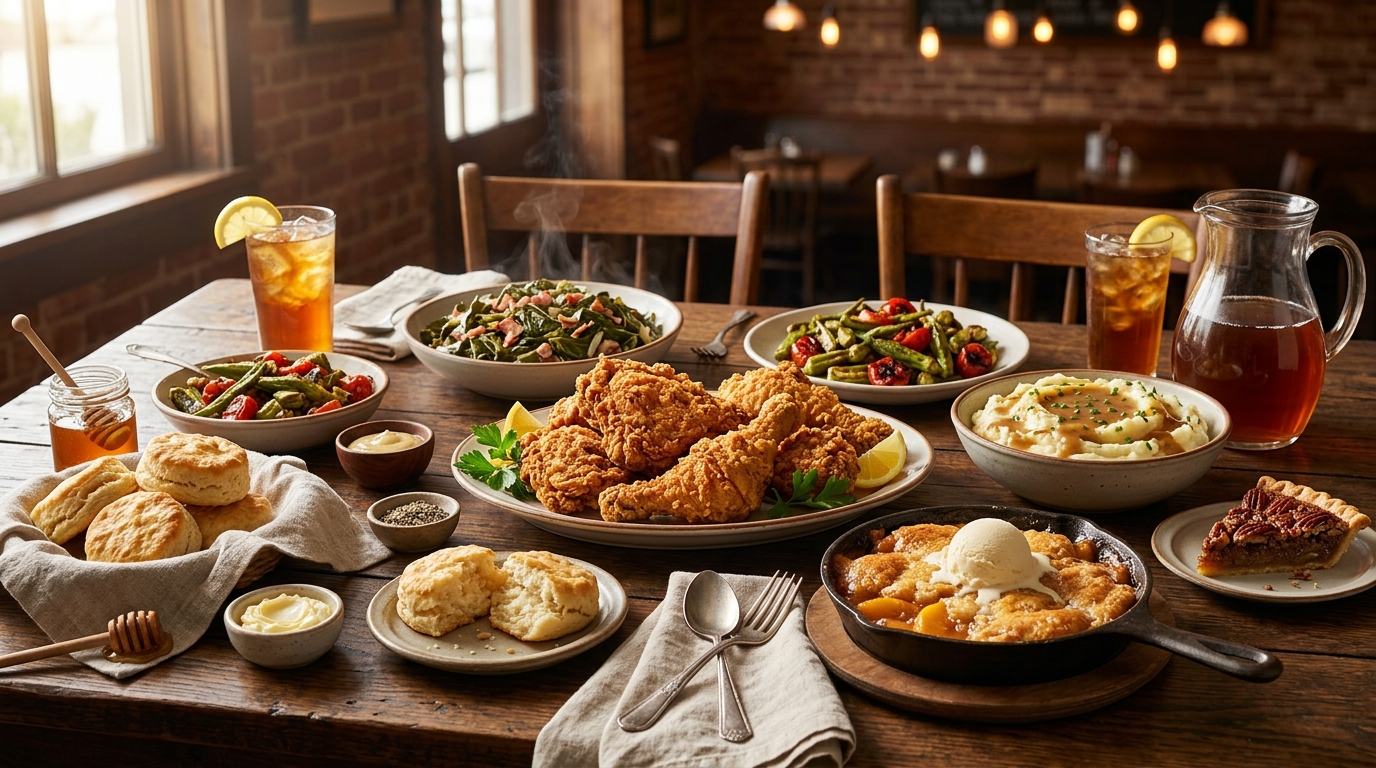
Dining in Middle Tennessee offers opportunities to explore regional food traditions, enjoy family meals, and discover restaurants suited to different occasions. From casual lunches and relaxed dinners to family gatherings and special celebrations, the dining experience depends on the menu, atmosphere, service, and preferences of the people at the table.
The region’s dining options can appeal to residents, visitors, families, and groups looking for familiar meals or something new to try. Choosing the right restaurant involves considering location, menu variety, dining style, and convenience. Whether planning an everyday meal or a special outing, understanding these factors can make it easier to find a restaurant that suits the occasion.
This guide explains what to consider when exploring Middle Tennessee dining, how to choose restaurants for different needs, and what can make a restaurant visit more enjoyable.
Key Takeaways
- Middle Tennessee dining experiences can suit a variety of tastes, occasions, and group sizes.
- Restaurant selection should consider menu variety, atmosphere, service, location, and budget.
- Family dining often benefits from familiar menu choices and comfortable seating.
- Lunch and dinner may require different considerations depending on timing and the purpose of the visit.
- Regional food traditions can provide inspiration when exploring local dining options.
- Reviewing menus and restaurant information before visiting can help customers make informed choices.
- The best restaurant depends on individual preferences and the experience a diner wants.
What Types of Dining Experiences Can You Find in Middle Tennessee?
Middle Tennessee offers dining experiences ranging from casual neighborhood restaurants to more refined meals and creative menus. The right choice depends on the occasion, the preferences of the group, and the kind of food experience diners want.
The region’s culinary identity includes Southern cooking, barbecue, familiar comfort foods, and newer interpretations of regional dishes. Tennessee’s tourism resources also highlight the combination of traditional Southern flavors, locally influenced cooking, and diverse culinary influences across the state.
Comptroller of the Treasury
+1
Casual Dining
Casual restaurants are suitable for everyday meals, informal meetings, and relaxed outings with friends or family. Diners may prioritize convenient locations, approachable menus, comfortable seating, and straightforward service.
Family Dining
Family dining focuses on bringing people together over a shared meal. Menu variety, comfortable seating, and a welcoming atmosphere can help accommodate children, adults, and older relatives.
Traditional Southern Dining
Southern-inspired menus may feature familiar preparations, hearty entrees, classic sides, and recipes associated with regional food traditions. These dishes can provide an introduction to the area’s culinary heritage.
Contemporary Dining
Some restaurants reinterpret traditional ingredients and cooking methods through modern techniques or creative combinations. This allows diners to explore familiar flavors in new ways.
Special-Occasion Dining
Celebrations and important gatherings may call for a restaurant with a distinctive atmosphere, attentive service, or a menu suited to a more planned experience.
How Regional Food Traditions Shape Middle Tennessee Dining
Food traditions help explain why certain dishes remain popular across generations. In Middle Tennessee, Southern cooking and regional specialties contribute to the dining experience, while changing customer preferences continue to influence restaurant menus.
The Tennessee Department of Tourist Development describes the state’s food culture through traditions such as barbecue, hot chicken, farm-to-table dining, and creative interpretations of Southern classics.
Comptroller of the Treasury
Southern Comfort Food
Comfort food often includes recognizable dishes that emphasize satisfying flavors and familiar ingredients. Examples may include chicken entrees, vegetables, potatoes, casseroles, soups, and traditional desserts.
These meals can be appealing for everyday dining because customers often know what to expect and can find dishes suited to different preferences.
Barbecue and Grilled Specialties
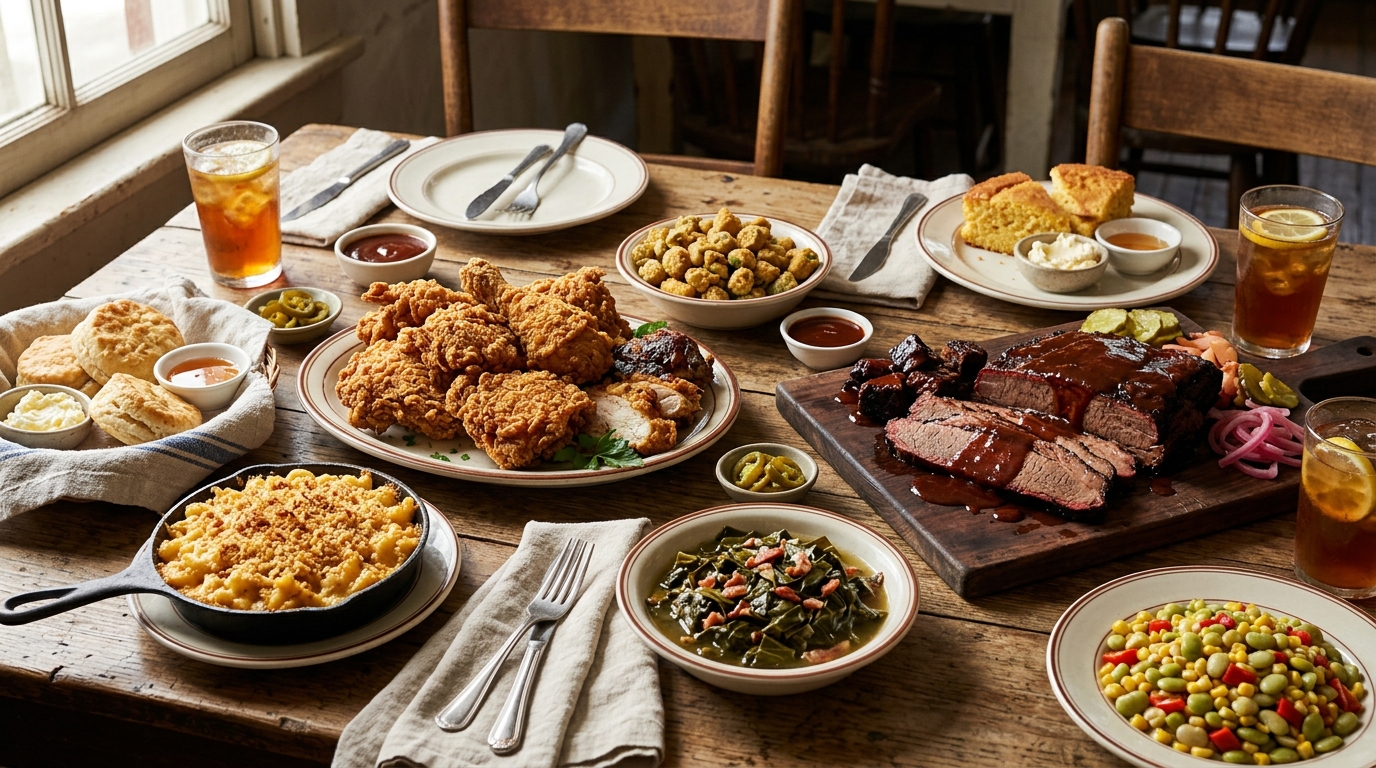
Barbecue is an important part of Tennessee’s wider food identity. Preparation methods, seasonings, sauces, and regional influences can create different dining experiences.
Customers exploring barbecue menus may want to consider the available proteins, side dishes, portion sizes, and preferred flavor profiles.
Hot Chicken and Bold Flavors
Hot chicken is closely associated with Nashville’s culinary identity. Diners who enjoy spicy food may be interested in restaurants offering heat-focused chicken dishes or other boldly seasoned entrees.
Because spice levels and preparation styles vary, reviewing menu descriptions can help customers choose an option that matches their preferences.
Traditional Sides and Homemade-Style Meals
Side dishes are an important part of many Southern-inspired meals. Vegetables, potatoes, bread, and other accompaniments can complement a main course and provide a more complete dining experience.
Homemade-style cooking may also appeal to diners seeking familiar flavors and meals associated with family traditions.
How to Choose a Restaurant in Middle Tennessee
Choosing a restaurant becomes easier when the decision is based on the occasion, the group, and practical requirements rather than cuisine alone.
Consider the following factors before making a choice.
| Selection Factor | What to Consider |
| Menu | Are there suitable options for everyone in the group? |
| Location | Is the restaurant convenient for the people attending? |
| Atmosphere | Does the setting fit the occasion? |
| Budget | Do menu prices match expectations? |
| Service | Does the dining style suit the available time? |
| Seating | Can the restaurant accommodate the group comfortably? |
| Dietary needs | Can the restaurant confirm relevant ingredients and preparation details? |
A restaurant that suits a quick lunch may not be the best choice for a family celebration. Matching the setting to the purpose of the visit helps create a more satisfying experience.
Why Menu Variety Matters for Local Dining
Menu variety is particularly useful when several people are dining together. Family members, coworkers, and friends may have different tastes, appetites, and dietary requirements.
A restaurant with several types of entrees, side dishes, and beverages can make group decisions easier.
When reviewing a menu, look for:
- Different entree options.
- Familiar dishes alongside specialty items.
- Side dishes that complement the main courses.
- Choices for lighter or more substantial meals.
- Clearly described ingredients and preparation styles.
- Suitable options for guests with dietary restrictions, where available.
Customers should confirm allergies and medically necessary dietary requirements directly with restaurant staff. Menu descriptions alone may not provide enough information about ingredients or cross-contact.
Where to Look for Restaurants in Middle Tennessee
Middle Tennessee includes urban communities, suburban areas, and smaller towns, so dining options and restaurant styles can differ by location.
For a broader overview of the region’s food culture, the official Tennessee tourism resource Explore the Food of Middle Tennessee provides background on the variety of dining experiences available across the region.
Tennessee Vacation
When researching restaurants, customers can also use a restaurant’s own website to review current menus, locations, service options, and other practical details.
For diners looking to explore restaurants in Tennessee, location information can help narrow the search to restaurants that are practical for the intended outing.
Choosing Restaurants for Everyday Meals
For regular dining, customers may prioritize menu familiarity, convenience, value, and consistent preparation. A restaurant that fits these preferences can become a reliable option for lunch or dinner.
Choosing Restaurants for Family Outings
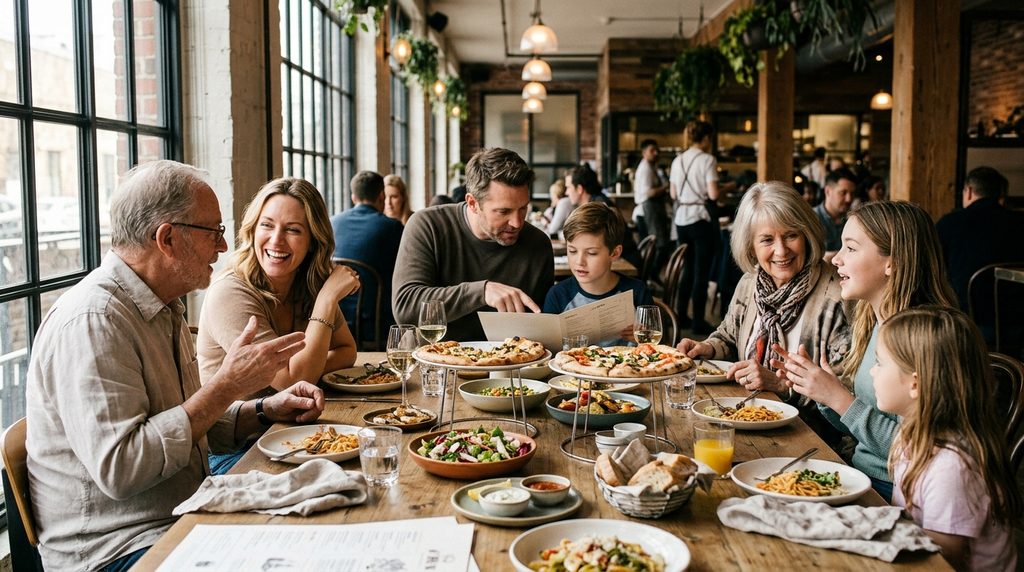
Families may want a setting with comfortable seating, menu variety, and a relaxed atmosphere. Checking group size and available seating ahead of time can help avoid unnecessary delays.
Choosing Restaurants for Visitors
Visitors may be interested in trying regional dishes or discovering local dining traditions. Reviewing menus and regional food guides before arriving can help them decide which experiences best match their interests.
How to Choose Between Lunch and Dinner
The time of day can influence restaurant selection. Lunch may need to fit within a workday or sightseeing schedule, while dinner often allows more time for socializing or enjoying a planned outing.
| Consideration | Lunch | Dinner |
| Typical priority | Convenience and timing | Atmosphere and overall experience |
| Menu preferences | Lighter meals, sandwiches, entrees, or daily options | Broader dinner selections or specialty dishes |
| Scheduling | May need to fit a short break | May allow more flexibility |
| Dining purpose | Work meetings, casual meals, or sightseeing | Family dinners, social gatherings, or celebrations |
These are general patterns rather than fixed rules. Individual restaurants may offer different menus and service hours, so checking current information is recommended.
How Family Restaurants Support Shared Dining Experiences
Family restaurants provide opportunities for people of different ages to gather around the same table. The experience is influenced by more than the food itself: service, seating, atmosphere, and menu choices all contribute to whether the visit works well for the group.
Families may look for:
- Familiar entrees and sides.
- Options for children and adults.
- Comfortable seating for several guests.
- A setting that supports conversation.
- Convenient access and manageable waiting times.
A restaurant that consistently meets these needs can become a regular choice for weekend meals, birthdays, and family gatherings.
For diners exploring a local dining experience, the most suitable option is often one that balances food preferences with convenience and the needs of the group.
How Restaurants Accommodate Different Dining Preferences
Not everyone approaches restaurant dining in the same way. Some customers prioritize traditional recipes, while others prefer new flavors, lighter meals, or a particular dining atmosphere.
Restaurants can appeal to different audiences by providing clear menu information and a range of choices.

For Diners Who Prefer Traditional Food
Familiar dishes and classic preparations may be the main attraction. These customers may value consistent recipes, recognizable ingredients, and well-prepared sides.
For Diners Who Enjoy Exploring New Flavors
Contemporary menus and creative combinations can offer opportunities to discover different ingredients and preparation styles.
For Customers With Dietary Requirements
Clear ingredient information and direct communication with restaurant staff can help customers determine whether suitable meals are available.
For Groups With Different Preferences
A varied menu can make it easier to accommodate several tastes without requiring everyone to choose the same type of food.
What Makes a Restaurant Visit Memorable?
A memorable dining experience usually reflects several elements working together. Food quality is important, but the atmosphere, service, convenience, and people sharing the meal also influence how customers remember a visit.
Restaurants can create positive experiences by focusing on:
- Consistent preparation and presentation.
- Clear and helpful communication.
- Comfortable dining spaces.
- Attentive service.
- Menu choices suited to the occasion.
- A smooth ordering and payment process.
Customers may remember a simple family meal just as positively as a more elaborate dinner when the experience meets their expectations.
How to Plan a Middle Tennessee Dining Outing
A little preparation can make restaurant visits easier, especially when traveling with a group or planning a special occasion.
Review Restaurant Information
Check the restaurant’s official website for its current menu, location, and available services. Published hours and menu details can change, so confirm important information before traveling.
Consider Travel and Timing
Choose a location that works for the group and allow enough time for travel, parking, and the meal itself.
Check Availability for Groups
For larger parties, contact the restaurant to ask about reservations, seating arrangements, and any specific requirements.
Match the Restaurant to the Occasion
Think about whether the visit is for a casual meal, a business lunch, a family gathering, or a special celebration. This can help determine which menu and atmosphere are most appropriate.
Frequently Asked Questions
What types of food are popular in Middle Tennessee?
Middle Tennessee dining includes Southern-inspired dishes, barbecue, hot chicken, comfort food, and contemporary interpretations of regional cuisine. The options vary by community and restaurant, allowing diners to explore both traditional meals and newer culinary styles.
How do I choose a restaurant in Middle Tennessee?
Consider menu variety, location, atmosphere, budget, service, and the needs of the people dining with you. Reviewing the restaurant’s current menu and official location information can help you determine whether it suits the occasion.
Are there family-friendly dining options in Middle Tennessee?
Dining options vary by location, but families can evaluate restaurants by reviewing menu choices, seating arrangements, atmosphere, and accessibility. Contacting a restaurant before a larger family outing can help confirm whether it can accommodate the group.
What should visitors try when exploring Middle Tennessee dining?
Visitors interested in regional food can explore Southern comfort food, barbecue, hot chicken, and other local culinary traditions. The best choices depend on personal taste, spice preferences, dietary requirements, and the dining experiences available during the visit.
Is it better to plan restaurant visits in advance?
Planning ahead can be useful for larger groups, special occasions, and visits with a limited schedule. Checking current menus, hours, location details, and reservation requirements can help prevent unnecessary delays.
Conclusion
Middle Tennessee offers a range of dining experiences shaped by regional food traditions, changing culinary preferences, and the different needs of residents and visitors. From Southern comfort food and familiar family meals to contemporary dishes and special-occasion dining, restaurant choices can suit a variety of tastes and schedules.
The best dining experience depends on selecting a restaurant that matches the occasion, menu preferences, budget, and practical requirements. Reviewing restaurant information before visiting can make the process easier and help customers feel confident in their choice.
Whether planning a quick lunch, a relaxed dinner, or a family gathering, a thoughtful approach to restaurant selection can make dining in Middle Tennessee more enjoyable.