
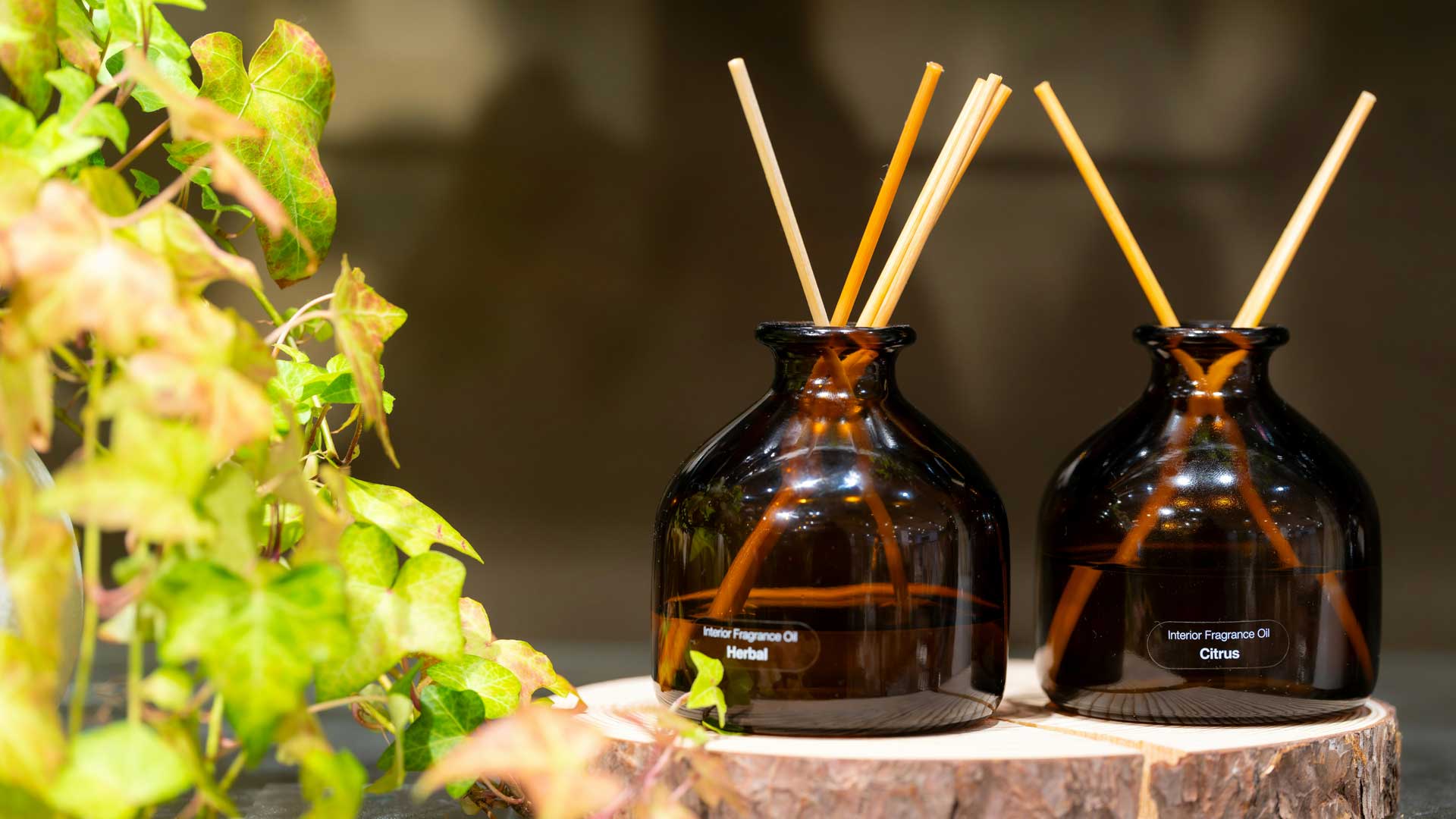
Selecting a commercial fragrance is a practical business decision that should be tested under real operating conditions. A scent that appears pleasant on a paper strip may perform very differently after it is dispersed through a hotel lobby, apartment leasing office, retail showroom, fitness facility, or professional workspace.
Commercial properties contain many variables that affect scent performance. Room size, ceiling height, airflow, humidity, cleaning products, furniture, carpeting, customer traffic, and existing indoor odors can all change how a fragrance is perceived. Employees may also experience the scent for several hours, while customers may remain in the space only briefly.
A structured trial allows a business to evaluate the fragrance, diffusion equipment, placement, intensity, and maintenance requirements before making a longer-term commitment. It also provides time to gather feedback, identify potential problems, and determine whether the system supports the intended atmosphere.
Why Commercial Fragrance Should Be Tested
Fragrance preferences vary from person to person. One customer may find a floral profile welcoming, while another may consider it too rich. A woody scent may suit an upscale hotel but feel too heavy for a bright fitness studio. Citrus may create a clean impression in one office and become sharp or distracting in a smaller room.
Testing allows decision-makers to move beyond personal preference and evaluate the fragrance as part of the wider environment.
A commercial trial can help determine:
- Whether the fragrance fits the property
- Whether customers notice it positively
- Whether employees remain comfortable
- Whether diffuser coverage is consistent
- Whether the intensity can be controlled
- Whether the scent conflicts with cleaning products
- Whether the system is suitable for the building
- Whether fragrance oil consumption is reasonable
- Whether the equipment produces noticeable noise
- Whether maintenance requirements are manageable
These observations are difficult to make from a sample card alone.
Define the Purpose of the Scenting Program
Before testing begins, the business should clarify why it is considering commercial scenting.
Possible goals include:
- Creating a recognizable atmosphere
- Supporting a signature scent
- Improving the arrival experience
- Maintaining freshness in common areas
- Coordinating multiple locations
- Introducing seasonal fragrances
- Supporting the identity of a hotel or retail property
- Reducing dependence on temporary sprays
- Managing residual odors after source-level correction
- Creating more consistency across customer-facing areas
The goal influences the fragrance, diffuser type, test location, and evaluation criteria.
A business trying to create a signature lobby scent requires a different trial from a property addressing odors near a restroom or waste area. Branding and odor management should be evaluated separately.
Establish the Desired Atmosphere
A business should identify several words that describe how the property is intended to feel.
Possible qualities include:
- Clean
- Calm
- Modern
- Energetic
- Coastal
- Warm
- Natural
- Professional
- Refined
- Luxurious
- Minimal
- Welcoming
These descriptions make it easier to select relevant scent families.
For example:
- A coastal hotel may test marine, citrus, linen, or fresh-air profiles.
- A luxury apartment community may consider woody, amber, botanical, or soft floral scents.
- A fitness facility may prefer citrus, green, or fresh-air fragrances.
- A professional office may need a subtle woody, green, or clean-linen profile.
- A wellness-oriented property may test herbal, botanical, or light floral options.
The scent should support the environment rather than compete with the interior design or business identity.
Select a Manageable Number of Fragrances
Testing too many options at once can make the process confusing. The fragrances may begin to blend together, and reviewers may struggle to remember the differences.
A practical initial group may include three to five distinct profiles:
- A bright citrus scent
- A fresh-air or marine option
- A light botanical fragrance
- A subtle woody profile
- A scent developed around the property’s specific character
The options should be noticeably different. Testing several nearly identical fragrances makes it harder to identify the best direction.
After an initial review, the business can narrow the selection to two or three candidates for property testing.
Evaluate One Fragrance at a Time
Each fragrance should be assessed separately. Rapidly smelling several options can cause olfactory fatigue and make the scents difficult to distinguish.
A more reliable process includes:
- Reviewing one fragrance at a time
- Allowing breaks between options
- Recording first impressions
- Avoiding strong personal perfume during testing
- Using a neutral room for early evaluation
- Limiting the number of scents reviewed in one session
- Returning to the strongest options later
Decision-makers should avoid switching fragrances repeatedly in the same room. Residual aroma from one scent may affect the next test.
Use the Intended Commercial Equipment
A fragrance should be tested using equipment similar to the system planned for the property.
A small household diffuser cannot accurately represent how a professional cold-air or HVAC-connected system will perform. Commercial equipment may produce finer particles, broader coverage, and different intensity levels.
The test should evaluate:
- Diffuser capacity
- Programming controls
- Operating intervals
- Fragrance reservoir size
- Equipment sound
- Placement flexibility
- HVAC compatibility
- Maintenance access
- Oil consumption
- Coverage consistency
Testing the equipment and fragrance together provides a more realistic view of long-term performance.
Measure the Test Area
The trial area should be documented before the equipment is installed.
Important measurements include:
- Floor area
- Ceiling height
- Room shape
- Connected hallways
- Open doorways
- Exterior entrances
- Supply vents
- Return vents
- Customer seating
- Employee workstations
- Furniture and partitions
Square footage alone does not determine coverage. A room with a two-story ceiling may require different settings from a room with the same floor area and a standard ceiling.
An irregular space may need two smaller devices rather than one powerful unit.
Review Airflow and Diffuser Placement
Fragrance particles move with the surrounding air. Placement can determine whether the scent spreads evenly or becomes concentrated in one area.
The trial should examine:
- HVAC supply vents
- HVAC return vents
- Ceiling fans
- Exterior doors
- Interior doorways
- Kitchen exhaust
- Restroom exhaust
- Elevator movement
- Open-air transitions
- Air-pressure differences
A diffuser placed near an exterior entrance may lose fragrance whenever the door opens. A unit placed too close to a return vent may send the scent away before it reaches the intended area.
The system should generally remain away from direct customer seating and employee desks. It should use gentle airflow without directing concentrated fragrance toward people.
Begin With Low Intensity
A commercial scent should usually remain in the background. The objective is not to make the fragrance the strongest feature of the property.
Testing should begin with a low setting. The output can then be increased gradually if coverage remains weak.
Intensity should account for:
- Room volume
- Customer traffic
- Employee exposure
- Time spent in the area
- Air movement
- Open doors
- Existing indoor aromas
- Fragrance strength
- Operating hours
- Seasonal conditions
Starting at a high level may cause reviewers to reject a fragrance that would perform well at a lower setting.
Test the System During Normal Operations
An empty building does not provide a complete picture of commercial scent performance. The trial should continue while customers, employees, and normal building systems are present.
Useful testing periods include:
- Before opening
- Morning operating hours
- Peak customer traffic
- Quiet afternoon periods
- After cleaning
- During HVAC operation
- Near closing time
- Weekday conditions
- Weekend conditions
- Special events
Occupancy and airflow can change throughout the day. A fragrance that seems balanced in the morning may become too weak near an open entrance or too strong after the building becomes less active.
Evaluate Different Zones Separately
A scenting program may cover several areas, but each zone can perform differently.
Potential test zones include:
- Entrance
- Lobby
- Reception area
- Waiting room
- Retail floor
- Leasing office
- Model unit
- Hallway
- Elevator area
- Fitness room
- Resident lounge
- Conference space
Reviewers should walk through each zone and record:
- Fragrance intensity
- Coverage consistency
- Strong areas
- Weak areas
- Interaction with local odors
- Proximity to vents
- Customer comfort
- Employee comfort
- Door activity
- Need for separate settings
Some rooms may require independent equipment, while others may need to remain unscented.
Consider Employee Exposure
Employees often experience commercial fragrance much longer than customers. A shopper may remain in a store for 20 minutes, while an employee may spend eight hours in the same environment.
Longer exposure may require:
- Lower intensity
- Subtle fragrance profiles
- Careful equipment placement
- Scheduled breaks in output
- Regular employee feedback
- Unscented work zones
- Restricted access to system controls
A fragrance that seems pleasant during a brief visit may become distracting after several hours.
Employee feedback should be collected throughout the test, not only on the first day.
Account for Olfactory Adaptation
People can become less aware of a fragrance after repeated exposure. Employees may eventually believe that the scent has disappeared even when it remains clearly noticeable to visitors.
This can lead to unnecessary increases in output.
Businesses can reduce this risk by:
- Maintaining documented settings
- Asking occasional visitors for feedback
- Leaving the space before reassessing
- Limiting control access
- Reviewing performance at several times
- Avoiding frequent manual changes
- Using conservative intensity standards
The system should not be adjusted only because regular employees have become accustomed to the scent.
Gather Structured Feedback
Feedback is more useful when reviewers answer specific questions.
The business may ask:
- Is the scent noticeable?
- Is it too strong?
- Does it fit the property?
- Does it feel clean, bright, warm, or refined?
- Is it comfortable after longer exposure?
- Does it conflict with food or merchandise?
- Does it work in every intended area?
- Does it match the customer audience?
- Would it remain appropriate throughout the year?
- Does the equipment create noise or distraction?
Responses should include the time and location of each observation.
Feedback may be collected from:
- Property managers
- Employees
- Customers
- Residents
- Guests
- Facility teams
- Cleaning staff
- Business owners
A wider range of feedback reduces the influence of one person’s preference.
Review Compatibility With Cleaning Products
Commercial properties use floor cleaners, disinfectants, restroom products, carpet treatments, and other supplies that may have their own fragrances.
A commercial scent should be evaluated:
- Before cleaning
- Immediately after cleaning
- Several hours after cleaning
- Near restrooms
- In carpeted areas
- Near housekeeping storage
- Around treated upholstery
A suitable scent may perform poorly when combined with a strongly fragranced cleaning product. The business may need to adjust either the cleaning product or the commercial fragrance.
Address Odors Before the Trial
A scenting test should not be used to hide unresolved building odors.
Persistent smells may come from:
- Plumbing issues
- Dry drains
- Waste accumulation
- Moisture damage
- Damp carpeting
- Smoke
- Food residue
- Laundry
- Upholstery
- Poor ventilation
- HVAC contamination
These problems require cleaning, repair, waste management, moisture control, or ventilation improvement.
Testing in an area with an unresolved odor can produce misleading results. The commercial fragrance may mix with the unwanted smell or appear ineffective.
Monitor Fragrance Consumption
The trial should track how quickly the diffuser uses fragrance oil.
Consumption depends on:
- Intensity settings
- Daily operating hours
- Diffusion intervals
- Number of active days
- Room volume
- Airflow
- Fragrance formulation
- Equipment model
- Seasonal conditions
A scent that requires high output may create greater long-term expense than an option that performs well at moderate settings.
Unusually rapid consumption may also indicate excessive programming, leakage, or equipment problems.
Review Maintenance Requirements
A trial provides an opportunity to observe what the system requires over time.
Maintenance may include:
- Refilling fragrance oil
- Cleaning the diffuser
- Checking the nozzle
- Inspecting tubing
- Confirming timer settings
- Monitoring oil use
- Repositioning the unit
- Updating schedules
- Replacing worn parts
- Troubleshooting equipment
The business should determine whether maintenance will be handled by employees, facility management, or an outside service provider.
Equipment should remain accessible without being easily altered by customers or unauthorized staff.
Evaluate Seasonal Suitability
Fragrance performance can change with temperature, humidity, HVAC use, and open-door activity.
During warmer periods:
- Doors may remain open longer
- Air conditioning may run more frequently
- Fragrance may escape faster
- Existing odors may intensify
During cooler periods:
- Indoor spaces may remain closed
- Fragrance may build up
- HVAC patterns may change
- Rich scents may feel more suitable
A business may choose one year-round scent or use limited seasonal variations. Seasonal options should still align with the core identity of the property.
Questions to Ask Before Approving the Trial
Businesses considering a fragrance trial program should ask:
- Does the scent align with the intended atmosphere?
- Is it comfortable at low intensity?
- Does it suit customers and employees?
- Is coverage consistent throughout the area?
- Does the equipment fit the building?
- Can the system be programmed easily?
- Does it conflict with cleaning products?
- Does it interfere with food or merchandise?
- Are some zones too strong or too weak?
- How much fragrance oil is being used?
- What maintenance is required?
- Is equipment noise acceptable?
- Can settings be adjusted seasonally?
- Which areas should remain unscented?
- Is the system practical for long-term operation?
Clear answers help determine whether the program should continue, be modified, or be discontinued.
Document the Final Decision
If the trial is successful, the business should create a written scent-management plan.
The document may include:
- Approved fragrance
- Fragrance family
- Intended atmosphere
- Diffuser model
- Equipment location
- Coverage zones
- Standard intensity
- Operating schedule
- Refill frequency
- Maintenance responsibility
- Employee feedback process
- Unscented areas
- Seasonal adjustments
- Review dates
Documentation improves consistency when staff members, managers, or service providers change.
Conclusion
Testing a commercial scenting system allows a business to evaluate the fragrance under real conditions before making a longer-term decision. The trial can reveal whether the scent fits the property, whether the equipment distributes it evenly, and whether employees and customers remain comfortable.
A responsible process begins with clear goals, suitable fragrance options, low initial intensity, accurate measurements, and on-site testing. Performance should be reviewed throughout the day and across every intended scenting zone.
By tracking feedback, fragrance consumption, equipment performance, maintenance needs, and seasonal conditions, businesses can determine whether a commercial scenting program is practical, balanced, and appropriate for the environment.