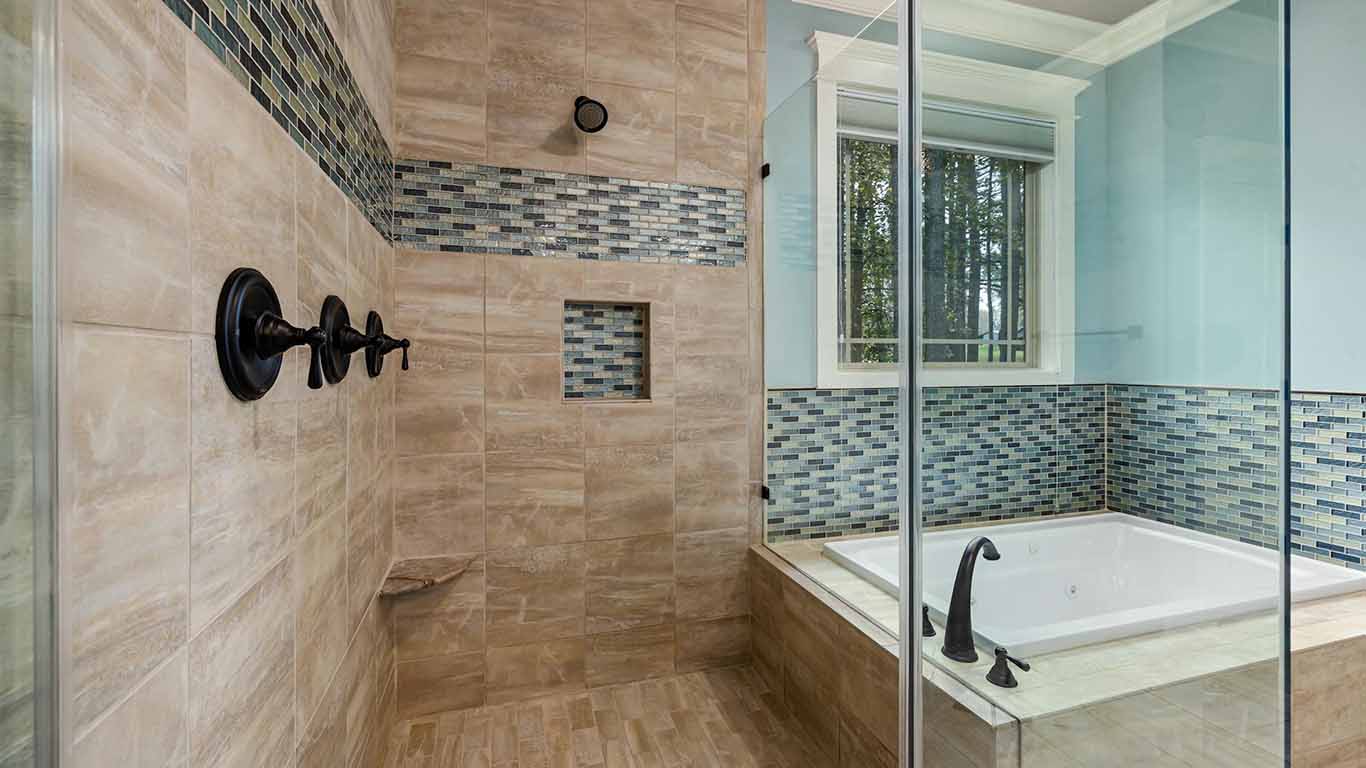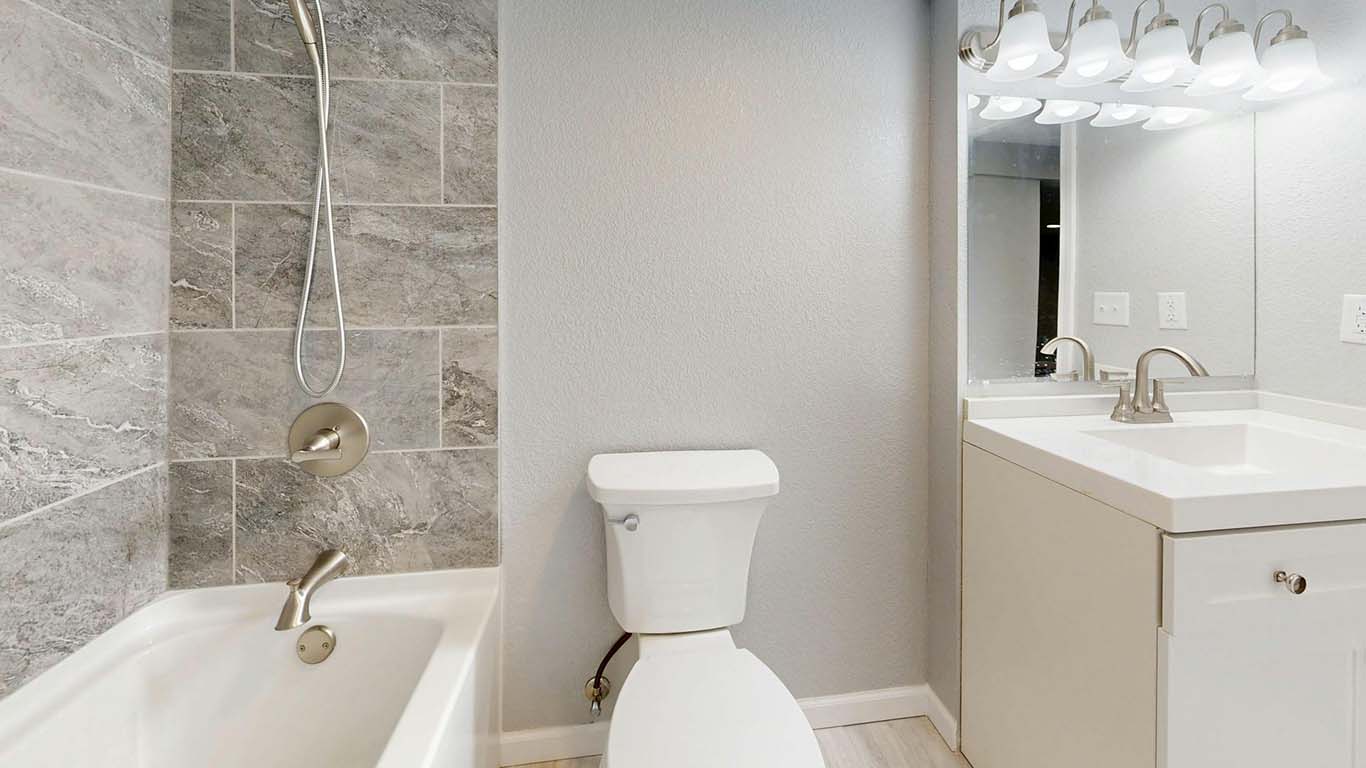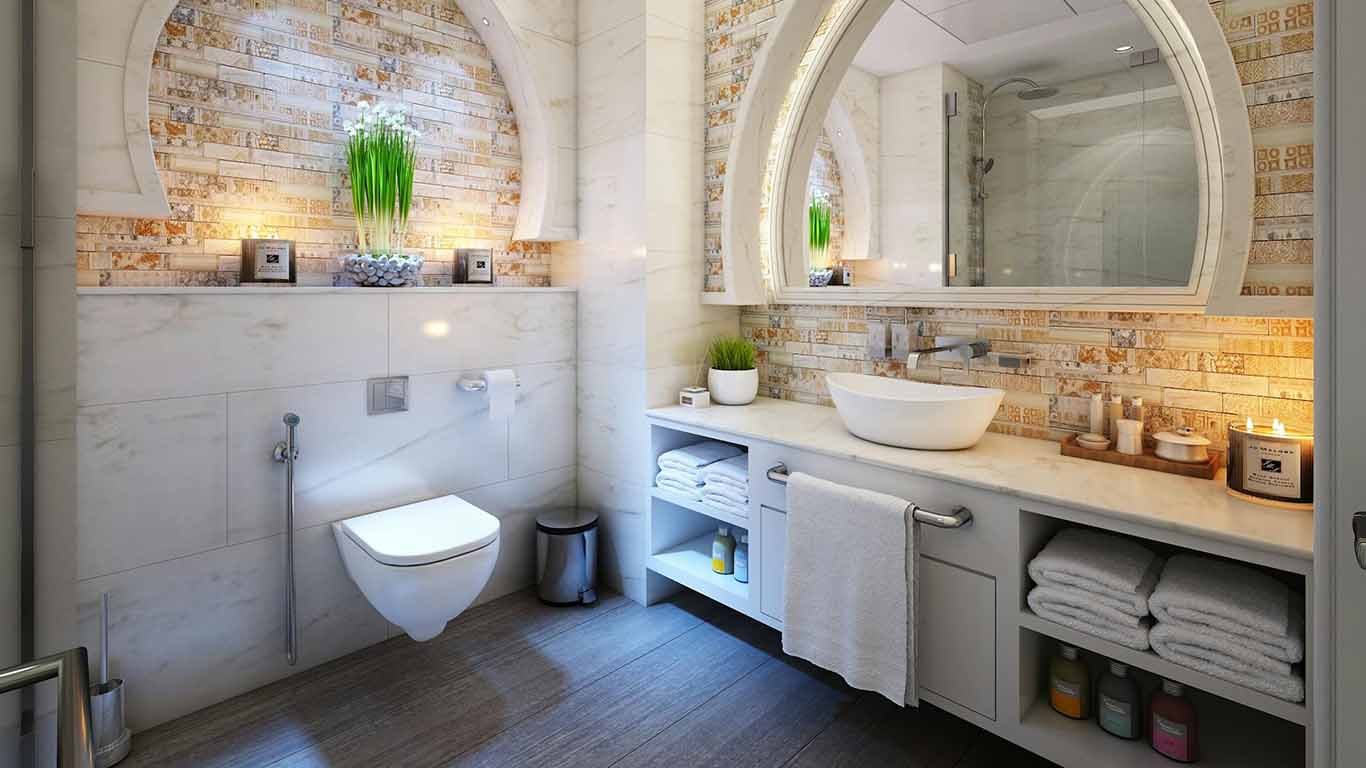
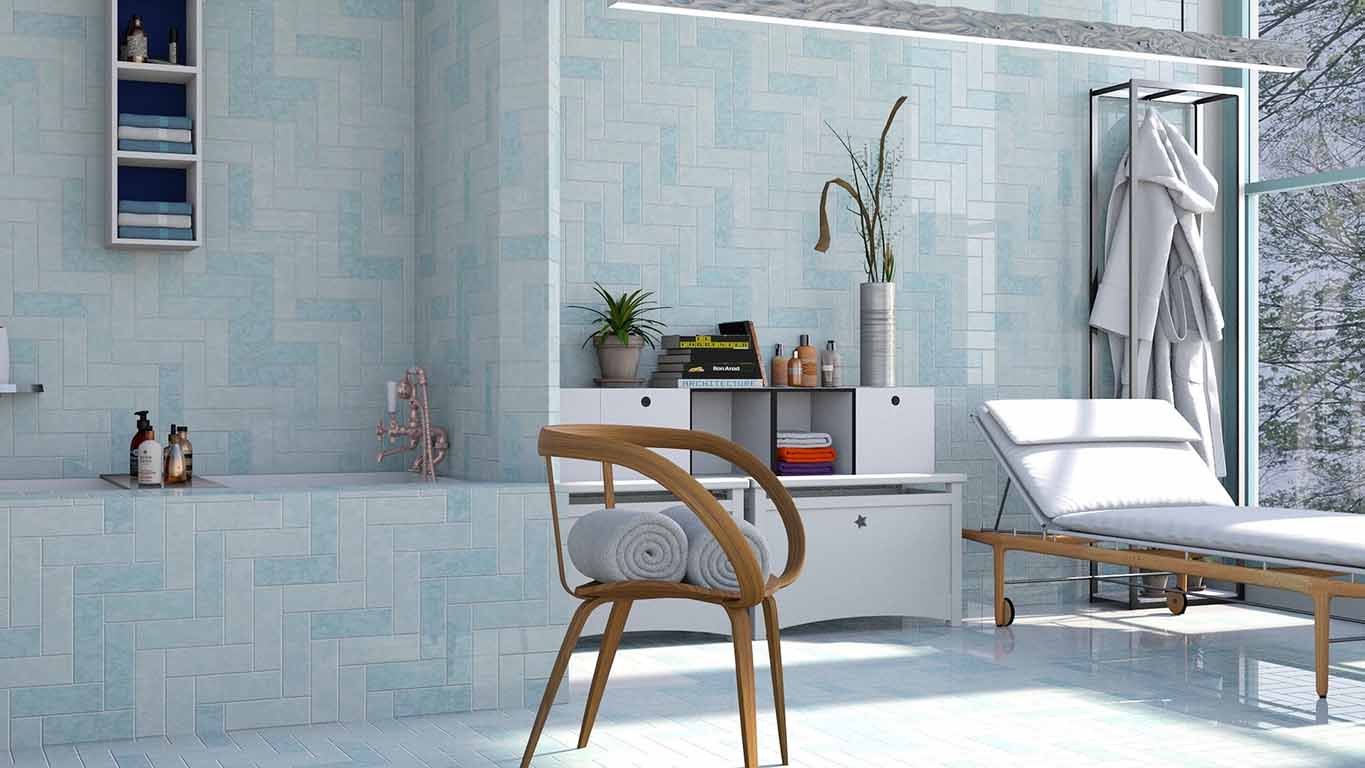
Wall materials are very important in the durability hygiene and visual conformity in the bathroom. There has been increased demand of low maintenance surfaces by homeowners in wet conditions.
Conventional tiles cause a problem of grout, which requires constant cleaning. Waterproof resistance has now been a major renovation issue. Solid surface bathroom walls have become a seamless option that can fit in a modern bathroom.
Stability of materials assists in the long-term performance. Knowing their features, homeowners can make decisions regarding whether this solution will correspond to the functional expectations and financial constraints.
Composition And Structure Of Materials
The mineral fillers and polymer resins are used in the engineering of solid surface wall panels. This composition forms non porous surfaces that are non-resistant to absorb water. Panels are structurally and consistently thick.
Sizing can be made accurate during the manufacturing process. Surface integrity does not change with change of temperature. When installed in place, the material does not crack easily. There is uniformity of color across the panels.
Surface damage that is minor can be refinished and not replaced. Composition knowledge can be used to determine performance of lifespan and compatibility to humid bathroom conditions.
Installation Process Implications
Preparation of substrate and precise measure is normally necessary during installation. The panels are glued to existing walls or moisture rated backer boards. Fewer seams reduce leak risk. It takes less time to install compared to tile systems.
Clean lines are achieved by precise alignment. Trained installers avoid the failure of adhesive. Sawing of panels requires particular equipment. Penetrations in plumbing have to be thought of. Bond strength is achieved by proper curing.
Warranties are secured by professional installation. Knowing the needs during installation aids home owners to consider the intricacy of labor and prevent short cuts, which will jeopardize moisture shield and long-term wall performance.
Maintenance Benefits And Hygiene Benefits
One such benefit of the solid surface systems is maintenance simplicity. Non porous panels do not allow the growth of molds and bacteria. Light cleaners and soft cloths are needed to clean. The elimination of grout lines is achieved.
Surface repair works are good to rejuvenate appearance. Solid bathroom tub walls ensure that they keep the place hygienic without much work. Stain resistance contributes to sustainability of cleanliness. Regular surfaces minimize penetration of water.
Servicing schedules are consistent. These features are attractive to house owners who care about the stability of sanitation and the minimization of the periodic cleaning intensity in the high moisture conditions of the bathroom.
Design Flexibility Options
Flexibility in design makes it flexible to customization. The panels come in various colors and finishes. Modern aesthetics is achieved by seamless visual continuity. Accent walls and showers tub surrounds have custom dimensions.
Shelf integration can be made. Corresponding accessories are deemed to keep the design together. Patterned selections resemble natural stone. Slim joints embrace smooth character. Constant design enhances resale.
Flexibility assists in the layout needs. By using these options, homeowners are able to match the design of the bathroom with their functional objectives whilst keeping the same level of performance on the surface.
Cost And Value Assessment
Evaluation of cost entails pricing of materials and savings on installation. Initial expenses are over and above basic tile materials. Less labor time compensates on initial cost. Fewer maintenance costs lessen the lifetime costs.
The ability to repair reduces the replacement requirements. Value perception is increased by long service life. Unchanging looks are old-fashioned. Investment protection takes the form of warranty coverage.
The estimation of value should not be based on the initial cost only but on the lifecycle performance. The practice contributes to the informed budgeting and reasonable expectations of the payback of the bathroom renovation investment.
Conclusion
The choice of the bathroom wall systems involves a tradeoff between maintenance of performance and beauty. The solid surface alternatives face usual moisture issues. Continuous flowing construction makes cleaning easy.
Installation performance assists the renovation schedules. Design flexibility is flexible to the modern preferences. Lifecycle value justifies increased startup cost. Installation is also of utmost importance.
The knowledge of material behavior is useful to the homeowners. Educated decisions help to promote long term functional bathrooms that satisfy long term expectations both in terms of functionality and aesthetic appeal.