

Getting a root canal with crown can feel overwhelming, especially when you’re wondering about the next steps.
Most people don’t realize that the timing between your root canal procedure and crown placement can make or break your treatment success.
The short answer? You should get your crown within two to four weeks after your root canal. But there’s more to this timeline than meets the eye.
What Happens After Your Root Canal?
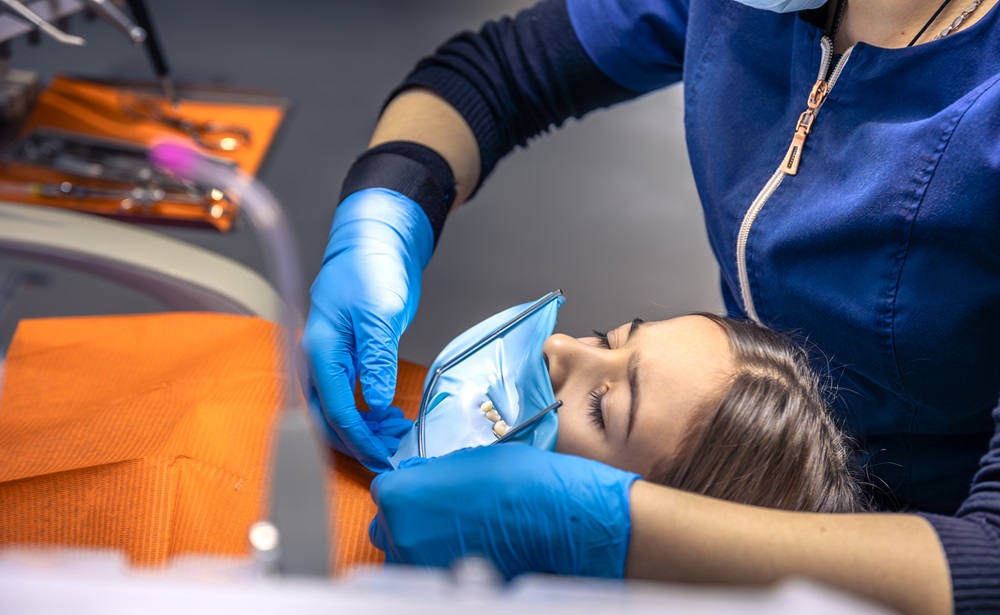
Your tooth goes through a healing process after the root canal procedure. The dentist removes infected tissue, cleans the canals, and seals everything up with a temporary filling.
But here’s the thing – that temporary filling isn’t meant to last forever. You need a permanent crown to protect your tooth from breaking or getting reinfected.
Think of it like this: your tooth is now hollow inside. Without the strong outer protection of a crown, it becomes fragile and prone to cracking.
The Perfect Timing Window
Most dental experts agree on a two to four-week window for crown placement. This timeframe gives you enough healing time without leaving your tooth vulnerable for too long.
| Timeframe | What’s Happening | Risk Level |
| 1-2 weeks | Initial healing begins | Low risk |
| 2-4 weeks | Optimal crown placement window | Lowest risk |
| 4-8 weeks | Tooth becomes more vulnerable | Medium risk |
| 8+ weeks | High risk of complications | High risk |
Here’s what influences this timing:
Your healing speed – Some people heal faster than others. Age, overall health, and the complexity of your root canal all play a role.
The tooth location – Back teeth (molars) need crowns faster because they handle more chewing pressure than front teeth.
Temporary filling quality – A well-placed temporary filling can buy you a bit more time, but it’s not a permanent solution.
What If You Wait Too Long?
Waiting longer than four weeks starts getting risky. Here’s what can happen:
Tooth fracture becomes your biggest concern. Root canal teeth are 60% more likely to break than healthy teeth because they’re essentially hollowed out.
Reinfection is another serious risk. That temporary filling can leak, letting bacteria back into your clean tooth canals.
Bite changes can occur as your temporary filling wears down, affecting how your teeth fit together.
One study from the American Association of Endodontists found that teeth without crowns after eight weeks had a 40% higher failure rate compared to those crowned within the recommended timeframe.
Factors That Might Extend Your Wait
Sometimes you can’t get your crown right away. Here are valid reasons for delays:
Complex cases might need additional healing time. If you had a particularly difficult root canal with multiple canals or complications, your dentist might recommend waiting a bit longer.
Gum healing issues can slow things down. If your gums are still inflamed or healing from periodontal work, you might need extra time.
Insurance approval delays happen, though most dentists work with you to find solutions.
Lab scheduling can occasionally cause short delays, especially during busy periods.
How Long Can a Temporary Filling Last?
Your temporary filling is designed to last about two to four weeks maximum. After that, it starts breaking down.
Week 1-2: Temporary filling holds strong Week 3-4: Beginning to weaken but still protective
Week 5+: Significant deterioration risk
The material simply isn’t meant for long-term use. Temporary fillings are softer than permanent ones and gradually dissolve from saliva and chewing forces.
Signs You Need Your Crown ASAP
Watch for these warning signs that mean you shouldn’t wait any longer:
- Pain or sensitivity that wasn’t there before
- Visible cracks in your temporary filling
- Food getting stuck in the treated tooth
- Rough or sharp edges you can feel with your tongue
- Discoloration around the temporary filling
If you notice any of these, call your dentist immediately. Waiting could mean losing the tooth entirely.
Making the Most of Your Crown Timing
Schedule your crown appointment before you even finish your root canal treatment. Most dental offices can book you out two to three weeks in advance.
Take care of your temporary filling by avoiding hard, sticky, or chewy foods on that side. Chew on the opposite side when possible.
Keep the area clean with gentle brushing and lukewarm salt water rinses. Avoid aggressive flossing around the temporary filling.
Don’t skip follow-up appointments even if you feel fine. Your dentist needs to check healing progress and ensure you’re ready for your permanent crown.
Getting your root canal with crown timing right protects your investment in the procedure and gives you the best chance for long-term success. Two to four weeks is your sweet spot – not too soon, not too late.
Frequently Asked Questions
How soon should you get a crown after a root canal?
Ans: Most dentists recommend placing the crown within two to four weeks to protect the tooth and reduce complication risks.
Why is a crown necessary after a root canal?
Ans: After treatment, the tooth is hollow and fragile, making it more prone to cracking without the protective strength of a permanent crown.
What happens if you wait too long for the crown?
Ans: Delaying beyond four weeks increases risks of tooth fracture, reinfection, bite changes, and higher treatment failure rates.
How long does a temporary filling last?
Ans: Temporary fillings are designed to last about two to four weeks before weakening and becoming more vulnerable to breakdown.
What signs mean you need your crown immediately?
Ans: New pain, visible cracks, food trapping, sharp edges, or discoloration around the temporary filling require immediate dental attention.