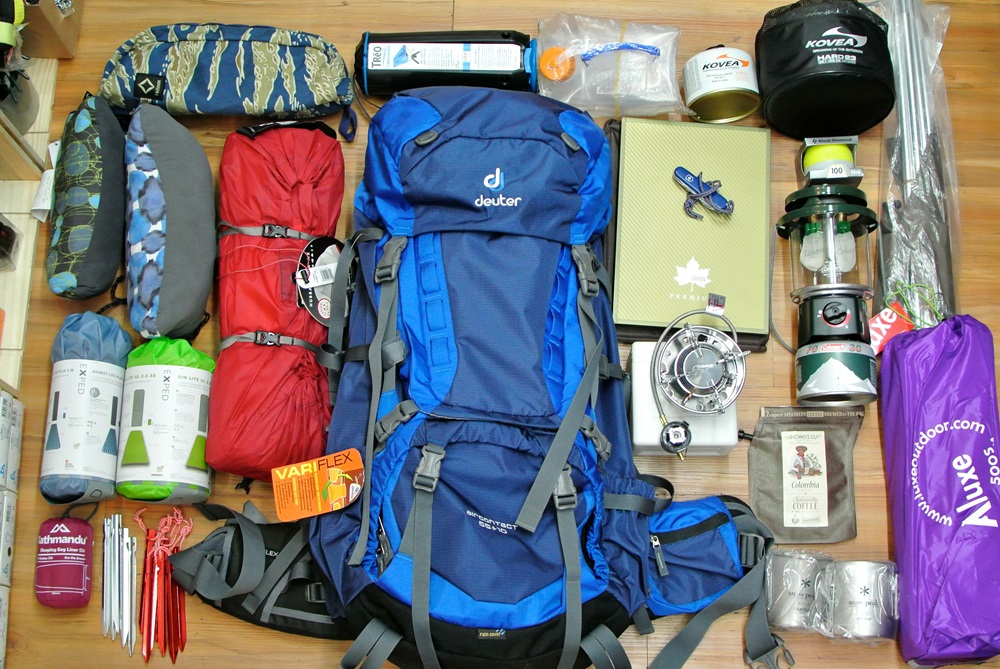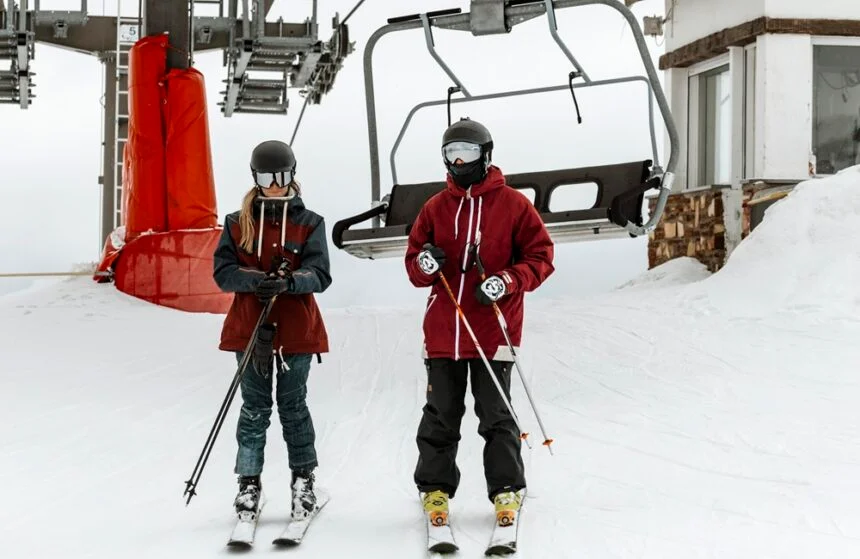

Outdoor gear costs a lot. And plenty of it ends up in a closet after a few trips.
A gear exchange is a place or a program where people sell, swap or donate used equipment to others who need it. If you want to move on from old gear or buy a tent without paying full price, it is one of the easiest ways to do it.
This guide covers the main types of exchange, how to buy and sell through each one, and how to get a fair deal.
The 4 Main Types of Gear Exchange
Gear exchanges come in 4 common formats:
- Online marketplaces: Sites such as Geartrade put used and new gear from many sellers in one place, so you can compare options without leaving your couch.
- Consignment shops: You drop off your gear. The shop keeps what it thinks will sell and sets the price. You get paid when an item sells.
- Swap events: These are local meetups where people sell directly to each other. Sellers often pay a small fee to reserve a spot. Shoppers usually get in free.
- Community donation drives: Some towns collect gear and pass it to local schools or resell it at a later sale.
How Online Consignment Works
Most online consignment sites follow a similar process. Geartrade is a good example of the typical flow:
- You list your gear or request a free shipping label.
- You ship the gear to the company.
- The team checks the gear and sets a value when it arrives.
- You get 48 hours to change the price or adjust your listing.
- When the item sells, the money goes to your account. You can cash out to Venmo or PayPal, or spend it on the site as store credit.
The big advantage is that you never meet a buyer or answer a stream of messages. The company handles the listing, the payment and the shipping.
How to Price Gear so It Sells
A fair price is the biggest factor in whether your gear sells at all. Overpriced listings sit for months.
These habits help:
- Check similar listings: Search for the same model in the same condition and price yours close to what others ask.
- Describe wear honestly: Mention scuffs, repairs and missing parts. Buyers trust sellers who point out flaws first.
- Clean it first: Wash jackets, wipe down boots and air out tents. Clean gear looks like it was looked after.
- Take clear photos: Show the front, the back and any damage in daylight.
- Account for fees: Consignment platforms usually take a cut when an item sells, so check the fee before you set your price.
What to Check When You Buy Used Gear
Used gear can save you a lot. But a few checks keep you from buying a problem.
Look at these before you pay:
- Condition notes: Read the full description. Look for details on zippers, seams, soles and coatings.
- Photos: Zoom in on high wear areas such as boot soles, pack straps and tent floors.
- Size and fit: Check the size chart. Boots and jackets are hard to judge from a photo alone.
- Return policy: Know what happens if the item arrives different from the listing.
Which Gear Is Safe to Buy Used
Most soft goods and hardware hold up well second hand. Jackets, backpacks, tents, sleeping bags, skis and poles are all good candidates.
Some items deserve more caution because you can’t see their history:
- Helmets: A helmet that took a hard hit can be damaged in ways you can’t see.
- Climbing ropes and harnesses: Falls, sun and age weaken them. The previous owner may not know how much.
For these, buy from a seller who inspects and describes every item, or buy new.
How to Choose the Right Gear Exchange
Two questions help you pick a format:
- How fast do you need the money? Swap events pay the same day. Consignment pays after the item sells.
- How much effort do you want to put in? Online consignment takes the least work. Selling directly takes the most.
FAQ
These questions come up often when people try a gear exchange for the first time:
Is It Safe to Buy Used Outdoor Gear?
Yes, for most items. Read the condition notes, check the photos and skip safety gear with an unknown history.
How Much Does It Cost to Sell Through a Gear Exchange?
It depends on the format. Consignment platforms usually take a share of the sale price. Swap events may charge a small table fee. Check the fees before you list anything.
How Long Does It Take to Get Paid?
At a swap event, you get paid on the spot. On a consignment site, you get paid after your item sells and the sale clears.
Can I Trade Gear for Other Gear?
Yes, at swap events and some shops. Many online sites also let you use your earnings as store credit toward your next purchase.
What Condition Should My Gear Be in Before I Sell It?
Clean it, fix small problems and make sure zippers and buckles work. Gear that is clean and works sells faster and for more.
Final Thoughts
A gear exchange keeps good equipment in use and keeps more money in your pocket. Pick the format that fits your timeline, price your gear fairly and read every listing before you buy.